Skin Excisions
What is a skin cancer excision?
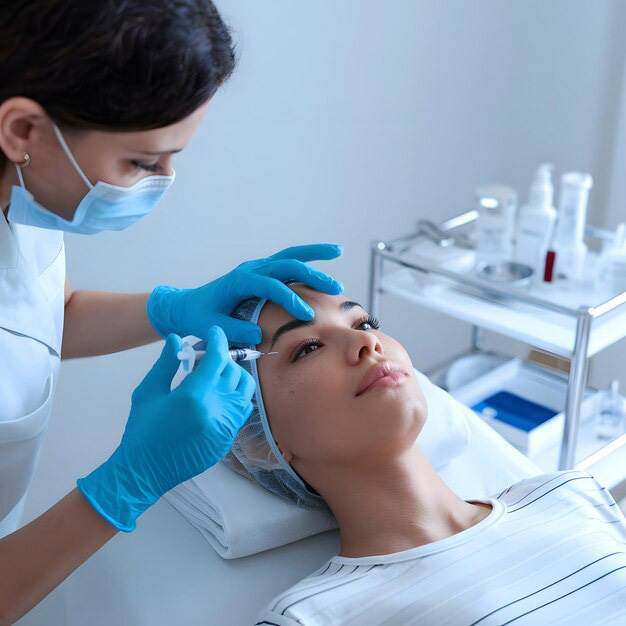
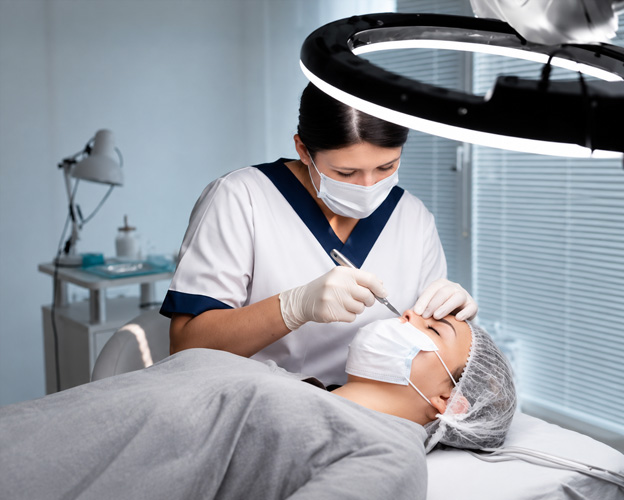
Excision surgery is one of the most common treatments for skin cancer removal. During the procedure, a skin cancer doctor or surgeon removes the cancerous tissue along with a small margin of healthy skin to help reduce the risk of any cancer cells remaining. It is a straightforward, safe procedure that is typically performed under local anaesthetic and involves minimal discomfort.
Two in three people in South East Queensland will have a skin cancer diagnosed by the time they reach 70 years of age
If it’s been a while since you’ve had a skin cancer check, regardless of your age, you may have skin cancers that need to be removed. If you have a family history, have had high exposure to the sun’s rays or other forms of UV, or moles or spots that have changed in size or appearance, you’re at a higher risk of developing skin cancer.
But, while prevention is key, early detection significantly improves your chances of recovery. Skin cancer excision of any dangerous skin cancers or spots, before they become a greater health risk, can save your life.
Do you need any skin cancers removed? What are the warning signs?
Some skin cancers are invisible to the naked eye, or hard to detect by those without the specialist knowledge in skin cancer identification. However, there are some common signs and symptoms to look out for, which include:
- Any crusty, scaly or bleeding sores that won’t heal after several weeks
- Small lumps on your skin that are pale, pearly, waxy or red in colour
- New spots, freckles or moles that change in thickness, colour or shape over a few weeks or months
- A flat, brown or skin-coloured lesion that looks like a scar, with irregular borders
- A mole that itches, bleeds or feels tender without being knocked or irritated
- Any existing spot or mole that looks noticeably different from the others on your body
If you’re ever unsure about a spot, the safest thing to do is get it checked. Skin cancer caught early is significantly easier to treat, and in many cases, a simple excision is all that’s needed
Ready to take care of your skin?
Book your appointment today and take the first step toward healthier, protected skin.
What to expect during your skin cancer removal surgery
When you come in for a skin cancer excision procedure, we will do our best to make you feel comfortable and relaxed.
- Before the surgery, the doctor or nurse will administer local anaesthesia to numb the area. You will be awake during the procedure but will not feel any pain.
- The doctor removes the skin cancer: the doctor will make an incision around the skin cancer, removing both the tumour and a margin of healthy tissue.
- Closure of the incision: The doctor will then close the incision in a way that will help healing. In some cases, for smaller spots, the wound may be left open to heal on its own.
- Monitoring: After the surgery, you will be monitored for a short period to ensure that there are no complications.
- Postoperative care: You will be given instructions on how to care for the incision site at home, including how to change the dressing and how to manage any pain or discomfort.
- Follow-up appointments: You will need to attend follow-up appointments with your surgeon to ensure that the skin cancer has not returned, check on the healing of the surrounding tissue and wound, and to monitor your overall health.

Specialised skin cancer care and dermatology services you can trust.
Quick Links
Get In Touch
- (07) 5292 5040
- noosaskincancerclinic@gmail.com
- Shop 9 11-19 Hilton Tce, Tewantin, QLD 4565
- Monday – Friday
8:30am – 3:30pm
© Copyright 2026 Epiderma Skin Cancer Clinic. All rights reserved.